
Meridian-based point selection
Points chosen along the meridians — yang primarily, yin secondarily — differentiate first, treat second.
Wang's Spinal Therapy · Catgut embedding · Daodi herbs
Our effort goes into three things: a heritage external therapy, long-acting embedding, and reliably sourced herbs. Whatever brings you in, tell the physician your specific situation — how to arrange your care is their call.
Featured · National intangible cultural heritage
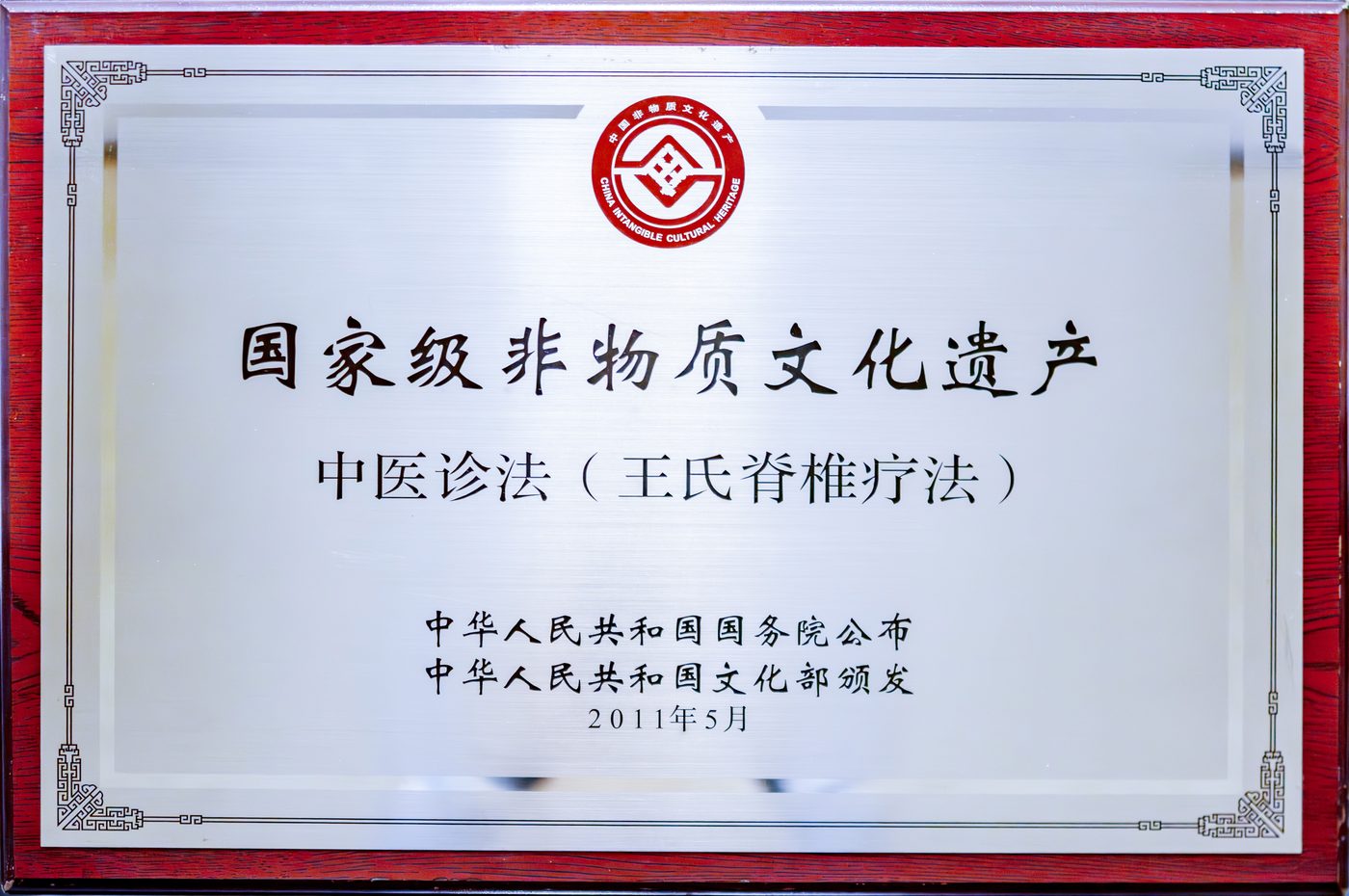
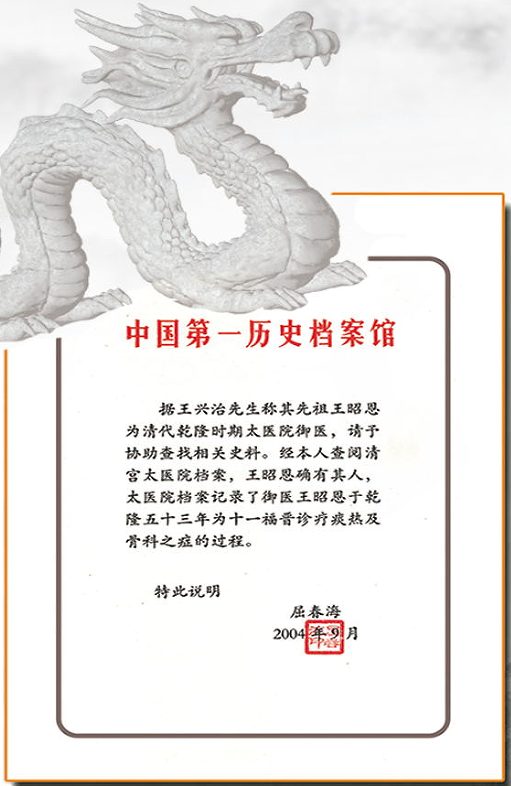
The official listing reads "Wang's Vertebral Therapy under TCM Diagnostics" (王氏脊椎療法); folk usage writes "Wang's Spine Therapy" — the same craft. It began in the Shunzhi era of the Qing dynasty with an army physician treating arrow wounds, where "opening, drawing out and delivering medicine" was the way. That logic later moved to the neck, lumbar region and legs, becoming a complete method of collateral pricking, herbal cups and herbal penetration, passed down through one family for three centuries and inscribed on the national intangible cultural heritage list in 2011.
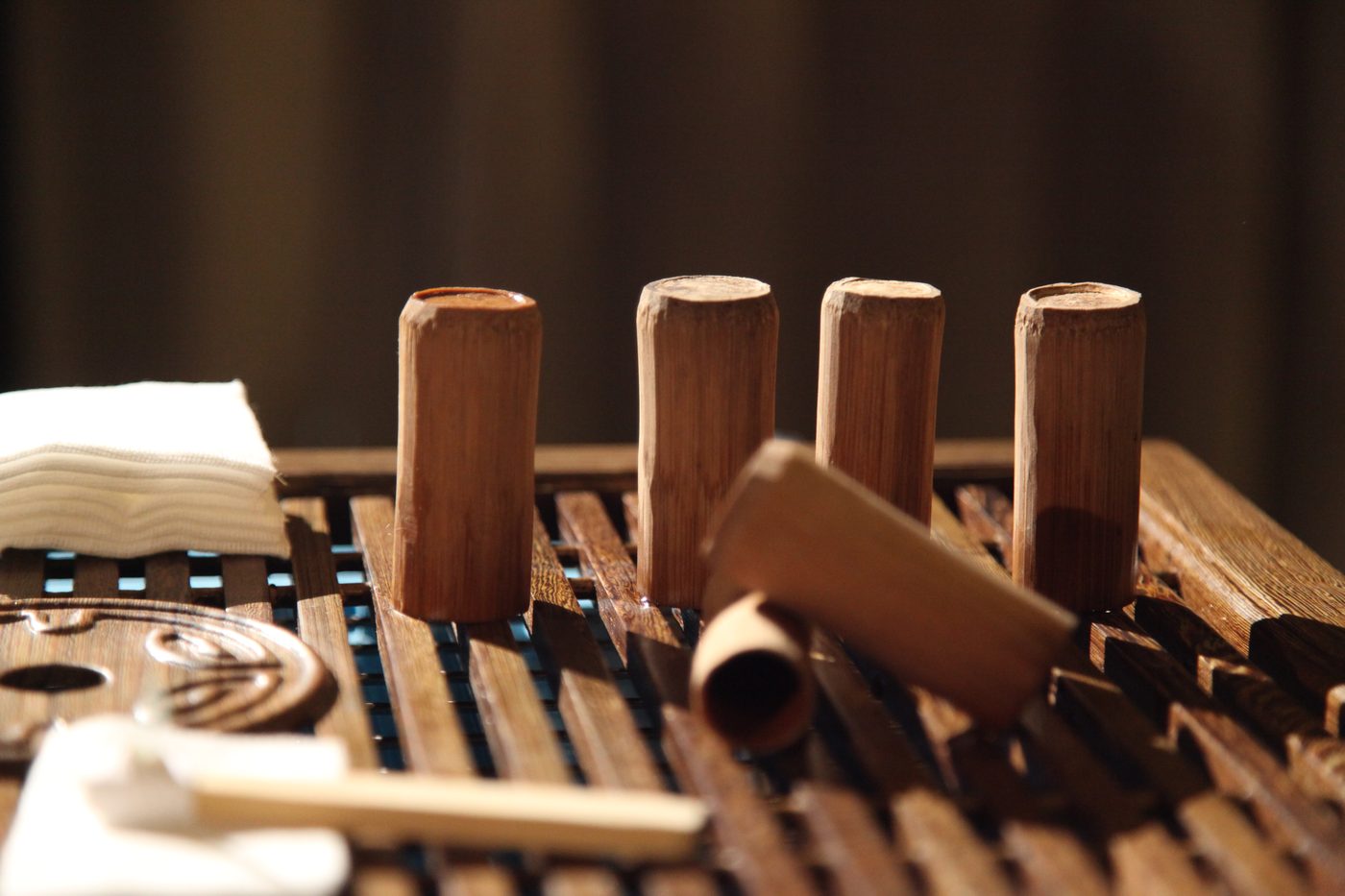
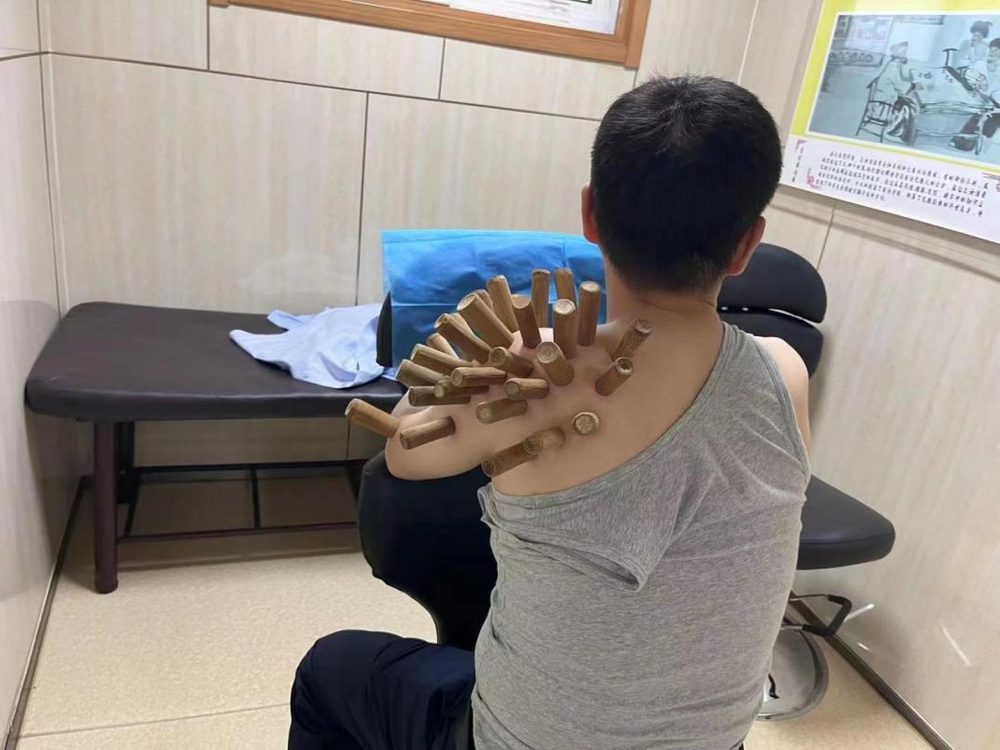
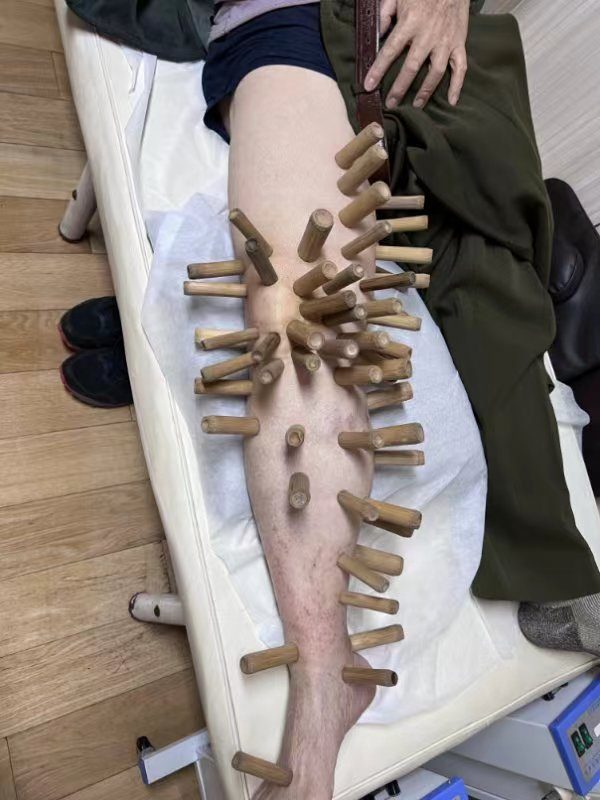
The heart of the craft is how the medicine gets in. Bamboo cups are boiled under high pressure in a decoction of 48 herbs; the fibres store the liquid and the cups — at about 70–80°C — are applied to the points immediately. Negative pressure drives the medicine into the skin while drawing wind, cold, dampness and turbidity out. Glass cups are easier to observe but cannot carry the medicine — the choice of instrument is a technical one, not an aesthetic one.
Points chosen along the meridians — yang primarily, yin secondarily — differentiate first, treat second.
A special needle lightly flicks the skin surface to open the pathway — the first step of collateral pricking.
Heated cups applied at once; negative pressure delivers the medicine and draws out turbidity — herbs and technique working together.
Chronic spinal-related discomfort of the neck, shoulder, back and lumbar region: stiffness, restricted turning, soreness after sitting, knees weak in the cold. Clinically this includes cervicalspondylosis, frozen shoulder, lumbar strain, lumbar disc herniation (non-acute) and knee osteoarthritis presenting with pain and restricted movement.
Not applied over broken, ulcerated or infected skin; tell us in advance about bleeding tendencies or anticoagulant medication; not suitable in acute cardiovascular or cerebrovascular episodes, extreme weakness, intoxication or high fever; not applied to the lower back or abdomen during pregnancy. Suitability is decided by the physician in person.
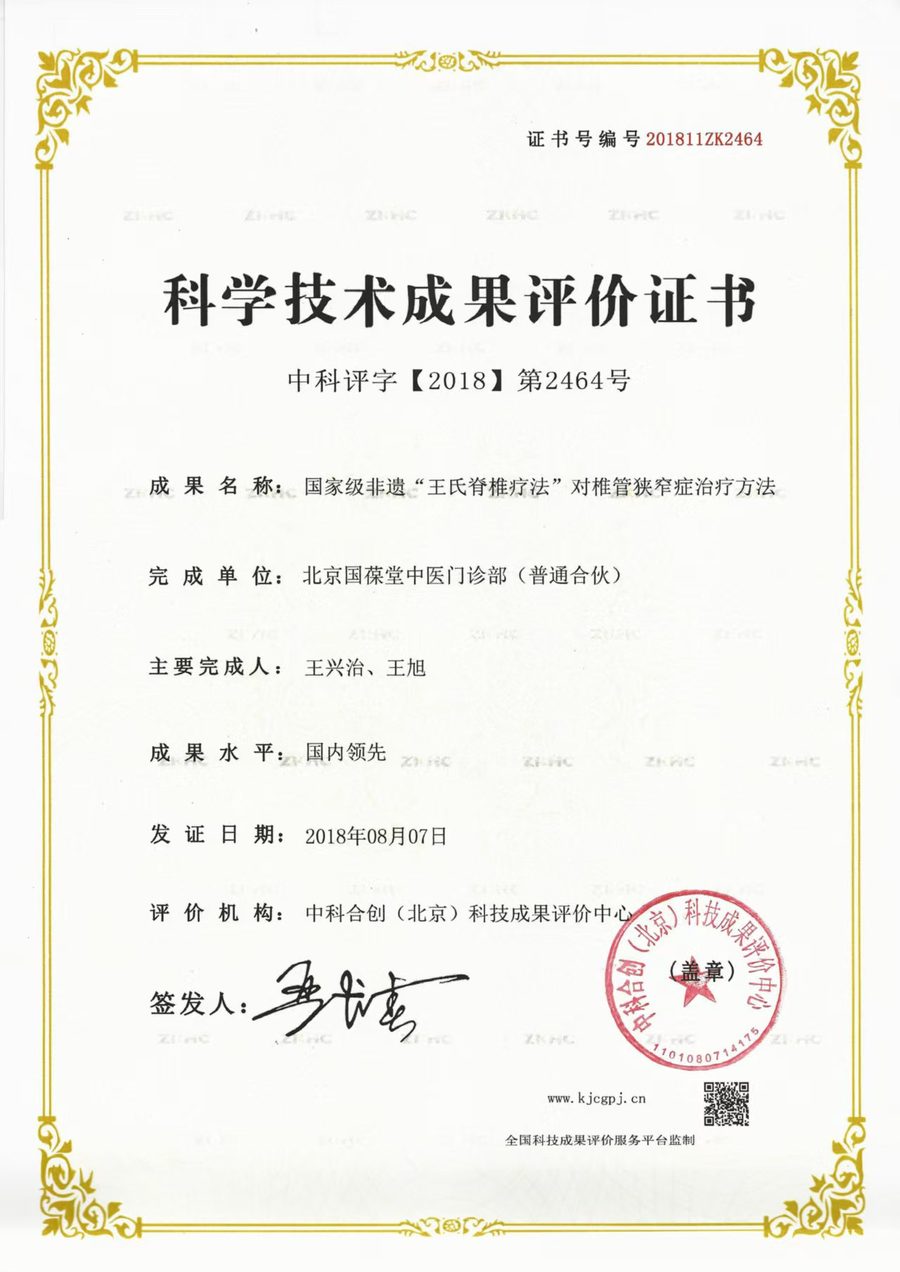
Spinal canal stenosis: herbal cups act on spinal points to improve circulation within the canal and relieve nerve compression — for lumbar stenosis presenting with low-back pain, leg numbness or intermittent claudication. The therapy's stenosis treatment method was rated "domestically leading" in a 2018 scientific-achievement appraisal.
Post-stroke recovery (cerebral infarction): best results within one month of conventional treatment, ideally within three months; meridian-unblocking and blood-activating methods address limb dysfunction and speech difficulty after stroke. After cerebral haemorrhage, patients may be accepted only after six months, with an MRI report excluding vascular malformation.
These describe the technique's clinical scope; suitability and course planning are decided by the physician in person.
Arthritis, degenerative osteoarthritis, bone spurs, acute and old sprains, tenosynovitis, tennis elbow.
Headache, migraine, intercostal neuralgia and other chronic, stubborn pain.
Ankylosing spondylitis, rheumatoid arthritis, cold and painful bi patterns.
Supportive care for dysmenorrhoea, uterine fibroids, irregular menstruation and "cold womb" patterns.
Insomnia, hair loss, fatigue, dowager's hump and weight issues linked to stasis and phlegm-damp.
Supportive care for breast and thyroid nodules, lung nodules, cysts and hyperplasia.
Fasciitis, facial paralysis, gout, restless legs, avascular necrosis (stage ≤3), shingles, varicose veins.
Clinical application
The number of cup sets and the treatment area follow the condition and its severity, adjusted to the individual. The table shows typical plans; the physician's in-person judgement always prevails.
| Area / condition | Description | Plan |
|---|---|---|
| Cervical | Common cervical / vertebral-artery type | 1 set |
| Stiff neck-shoulder-back, dowager's hump | 2 sets | |
| Radiculopathy (neck + arm) | 2 sets | |
| Shoulder | Frozen shoulder (shoulder + arm) | 2 sets |
| Lumbar | Mild: ordinary low-back pain | 1–2 sets |
| Moderate: disc herniation, stenosis (pain with leg numbness) | 2–3 sets | |
| Severe: stenosis with calf muscle atrophy | 3 sets | |
| Combined: back + legs + lumbar | 3–5 sets | |
| Knee | Ordinary knee osteoarthritis | 1 set |
| Selected-point plan, limited extension, both knees | 2 sets | |
| Limbs | Ankle sprain, tenosynovitis, tennis elbow, wrist pain, plantar fasciitis, cold or swollen legs | 1–3 sets |
| Other areas | Common presentations | Plan |
|---|---|---|
| Head & face | Stroke recovery, headache, facial paralysis | On assessment |
| Neck & back | Dowager's hump, thick shoulders, thick back | 2 sets |
| Lumbar | Coccyx pain | 1 set |
| Skin | Shingles | 1 set |
| Fascia | Fasciitis | 1–2 sets |
| Metabolic | Weight management, digestion, seborrhoeic hair loss | On assessment |
| Endocrine | Complexion + thyroid nodule supportive care | On assessment |
| Wellness | General maintenance care | On assessment |
Point-selection experience: bi patterns follow the painful area along the meridian; menstrual pain focuses on the lumbar-sacral Baliao points; insomnia starts from the cervical region with distal Shenmen/Neiguan; low-back-leg pain adds Zusanli, Weizhong, Yanglingquan. Point selection is the physician's in-person decision.
Treatment photos
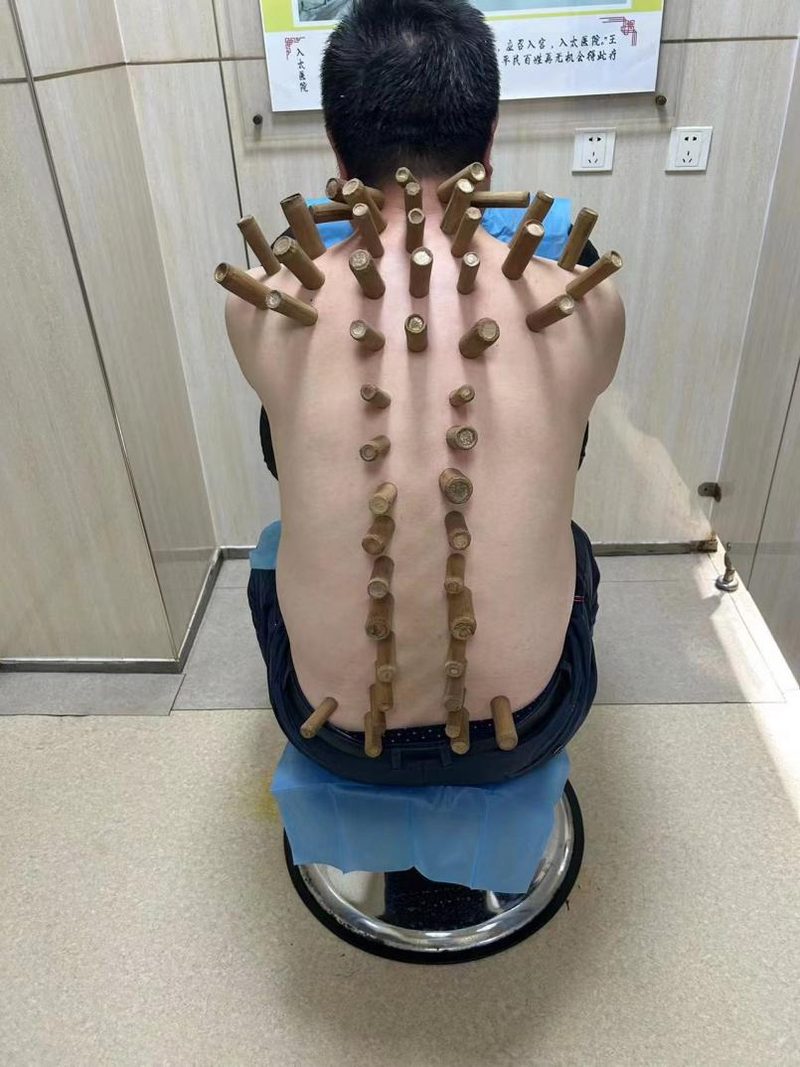
Photos taken in clinic: bamboo cups boiled under pressure in a 48-herb decoction are applied while hot; cup numbers and placement follow the condition. Out of respect for patients, only routine treatment areas such as the back are shown.
Treatment rhythm
How courses are arranged and what to know before and after — the physician explains it in person at your first visit. Here are the points we mention most often.
Robust or acute patients may be seen on alternate days; weaker patients generally once or twice a week or less, always at the physician's discretion. Bruising volume is never forced; most feel unblocked within 1–2 courses, and acupuncture may complement where response is slow.
Gynaecological support is possible while trying to conceive; treatment stops immediately once pregnancy is confirmed, and no treatment is given during pregnancy. Light periods and period pain may be treated during menstruation; heavy flow should avoid it. On thin, sensitive skin the first cup stays about eight minutes — no blisters, no dizziness, effect first.
Therapy 2 · An extension of acupuncture
Stretching the "needle sensation" in time: an absorbable thread at the point, stimulating for longer.
The thread is absorbed slowly at the point, providing sustained gentle stimulation — each session lasts longer than needling alone.
Busy schedules or cross-border travel can make frequent visits hard; embedding reduces visit frequency where the physician judges it appropriate.
Whether embedding is suitable, which points, and which thread material — all decided by the physician after in-person assessment, with aftercare explained beforehand.
Therapy 3 · The foundation of prescribing
"Never skimp on the herbs" is not a slogan: materials are sourced with priority from authentic growing regions, traceable by origin and batch.
The old trade speaks of daodi — genuine regional — materials: the same herb from a different region carries a different character. Our dispensary purchases with priority from authentic growing regions, from qualified suppliers, with traceable origins and batches.
Herbs are dispensed by prescription and can be decocted for you, or taken as granules. Decoction method, timing and dietary restrictions — ask the dispensary, one question at a time; we are happy to be asked. At follow-up the physician adjusts the formula rather than repeating it.
What we see
Most people who come to us have chronic problems: pain and stiffness of the neck, shoulders, back and knees; strain from long hours at a desk; internal complaints such as sleep, digestion and fatigue that need slow work; and superficial conditions such as eczema or local swelling. Tell the physician your specific situation in person and let them decide how to arrange your care.
For those on antihypertensive or antidiabetic medication: we offer complementary care, not replacement. Existing medication is never stopped or reduced by us; any adjustment belongs to the original prescriber. There is no rush here, and we will not push you.